
AIMS Journal, 2026, Vol 38, No 1
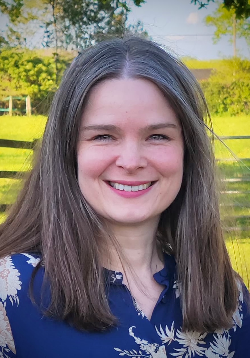
By Hannah Northern Thakur
Setting the scene: my NCT experience
I took an NCT course four years ago ahead of my daughter’s arrival. It had all the hallmarks of gatherings in the Covid era - fire exits and windows open, masks on arrival, plentiful hand sanitiser, and socially distanced seating arrangements. Having been fascinated by birth since childhood, I was looking forward to the classes - a few evenings exploring my favourite topic and meeting other parents sounded great to me. I was probably quite an irritating “classmate”, truth be told. I was excited to experience birth while others felt much more trepidation, and I think less clarity around what they wanted, although most hoped for intervention-free midwife-led births.
The course covered signs and stages of labour, pain relief options, infant feeding and development milestones - and I’m sure other things I don’t recall. I remember thinking at the time that although people enjoyed the discussions, got to know one another, and gained lots of information, I’m not sure it changed how anyone felt about birth. I remained excited but my impression was that I was alone in this sentiment. We certainly had more information than before, but I’m not sure perspectives had shifted.
A few weeks went by, and then the babies started to arrive… four unplanned caesareans, one assisted birth, and two vaginal births (one spontaneous, one induced). To readers with more than a cursory interest in birth, these outcomes will come as no great surprise given the birth statistics at the time with a caesarean rate of 34% (now 45%) and with an assisted vaginal birth rate of 9-11% (now 11%).1
Further to the bare facts around how our babies arrived, the conversations that followed were my first real exposure to just how traumatic birth can be. Notwithstanding an unexpected induction due to obstetric cholestasis,2 I had had a very positive experience of birth and to this day I describe that as one of the best days of my life. But at the time it felt insensitive to share too much of this amongst the horror stories everyone else was exchanging.
Hearing the stories of others in the group motivated me to train as a doula, and more recently it has got me thinking about the importance of good antenatal education in preparing for birth. What might have made a difference, to both the birth outcomes themselves and, perhaps more importantly, to how those families felt about their birth experiences afterwards?
Personal experience of birth
I started reflecting on how I prepared for birth, outside of our antenatal course. I devoured books, completed a hypnobirthing course (partly to involve my husband), watched lots of birth videos, followed social media accounts, regularly practiced yoga, and listened to affirmations and birth meditations on my commute.
I was fortunate in my birth experience. I agreed to an induction due to cholestasis of pregnancy and, while I was incredibly disappointed about this, I focused a lot on mindset and hypnobirthing techniques. After a single prostaglandin pessary, my labour progressed very smoothly. I was also able to advocate for myself and make decisions that felt right for me even when they were not what was recommended. For example after discussions regarding induction, I was advised to stay in hospital for ongoing monitoring. However I felt this was the last thing I should do given my state of stress and shock - so I went home to process things, pack a bag, have lunch, and then dinner at home before going back to the hospital. Even after returning, I took a lot of time to think things through, request more information, and write a birth plan. This helped me to regain a sense of agency and restore calm despite the unexpected changes in direction.
What made the biggest difference to me were the stories I heard. The book I most enjoyed reading during that pregnancy was Ina May Gaskin’s Guide to Childbirth.3 I read it when I was 29 weeks pregnant during a short ‘babymoon’ in Suffolk (a weekend I vividly remember as it was also when I first felt the tell-tale itching of cholestasis). As I read it, I felt genuinely excited to experience birth. I thought to myself “If these women can do it, why not me?” Through Facebook groups, I also enjoyed reading more recent positive birth stories. These offered inspiration for hospital based births and affirmed that it was not just women in the 70s and 80s having these positive birth experiences on “The Farm”, but women today, in homes and hospitals near me. Not just stories of physiological, intervention-free births but positive inductions, caesareans and assisted births too - women empowered to take ownership of their birth experiences, to advocate for themselves, to ask questions, and make decisions that felt right for them and their babies.
I took away the importance of mindset and when it came to my induction we really focused on creating conditions to support physiological birth. After I was given the prostaglandin pessary, my husband and I went for an evening walk in the hospital gardens. Despite not being one for romantic gestures, he picked me a bunch of lavender which brought tears to my eyes and certainly made me feel loved and cared for. I held (and smelled) it through much of the labour and the dried bunch sits on a bookshelf at home to this day. During the walk I felt the first few cramps of contractions so, when we got back to the ward, I rolled out my mat and did a yoga practice, then watched a feel-good film (Notting Hill) while bouncing on a birth ball. After a few hours’ sleep things were picking up pace so I was in and out of the shower, using a tens machine and very focused on calming breathwork. I also drew on affirmations I’d listened to before birth and the one that stayed with me throughout the whole birth was “I am ready for whatever turn my birthing takes”. Indeed I was, and as much as there were challenging moments, as in every labour, everything progressed smoothly and my daughter was in my arms without further intervention about 15 hours after labour started.
Although my induction ultimately progressed smoothly, I am mindful that outcomes in birth are never entirely within our control. I do not know how much my preparation and actions influenced the physiological course of labour, and it is important to acknowledge that different bodies respond differently to induction methods, at different times. What my preparation did give me was a sense of calm confidence, and the ability to engage actively with decisions as they arose. These tools helped me to navigate an unexpected change in direction and would, I believe, have been valuable regardless of how the birth unfolded.
None of this came from my NCT class though! I recently asked my husband - who was an excellent birth partner - for his recollection of the classes and what he had taken away from them. He said he remembered learning “light touch waterfall massage” from the class but that was all and he noted that the class didn’t teach people how to advocate for themselves - something I’ll explore more later.
Other parents’ experiences
Curious as to whether our views on antenatal education were typical, I decided to speak to other parents to find out their perspectives on antenatal classes and how they felt these prepared them for birth. This included people who had done NCT, Happy Parent Happy Baby, a few smaller independent classes, and some online courses such as those by Positive Birth Company or The Naked Doula.
Some clear themes arose from the mothers I spoke with. Many had enjoyed their antenatal classes as a way to make local friends (so invaluable in those first months after becoming a parent). Those who spoke positively described the information given as “useful”, although generally people were more positive about infant feeding and what to expect postpartum than about birth preparation. The most positive accounts came from those who had taken smaller local classes, hypnobirthing courses, or done private birth preparation - for example with a doula, rather than the popular mainstream classes.
Those with more negative things to say about their courses talked about feeling unprepared or blind-sided by things that were recommended by medical professionals, in particular the offer of induction for a variety of reasons. Many spoke of feeling they “had no choice” but to accept unexpected medical interventions, with seemingly little awareness of how these might impact their labour or what the alternatives might have been.
In speaking with other mothers, it struck me that courses don’t seem to have kept pace with the current maternity landscape, intervention rates, and outcomes. This means that families are neither prepared when they encounter the current reality, nor able to understand why their experiences evolve in the way they do. Much of the education, particularly from the biggest providers, seems to be focused on information provision rather than helping women and families examine their mindset and conditioning around birth, consider what they wish for, or understand maternity services well enough to give them tools to help them achieve the births they want.
The majority of women I spoke with had hoped for (and assumed they would have) a “normal birth” in a midwife-led unit. To varying degrees, many seemed to feel a sense of failure when this did not happen. They tended to attribute this to their bodies, health, or personal ability to give birth in the way they had expected.
These experiences do not occur in isolation. They reflect wider changes in how birth is managed within the present-day maternity system. Labour increasingly takes place in consultant-led settings shaped by protocols, risk thresholds, and time pressures. In this context, birth is often managed through standardised pathways designed to reduce uncertainty rather than to accommodate the variability of physiological birth. Principles that support physiological labour (such as calmness, privacy, freedom of movement, and continuity of support) are beneficial for every birth regardless of the setting, but they may find themselves competing with systems oriented around risk management, throughput, and standardisation rather than the rhythms of labour itself. Without explicit preparation for this context, parents can struggle to understand why interventions are offered or where there may be scope to pause, ask questions, and retain agency.
Bridging the gap: practical takeaways for antenatal education
Reflecting on my own birth experience, alongside the accounts of other parents, it is clear that antenatal education often leaves families unprepared for the realities of modern maternity care. Many courses focus on information provision rather than fostering practical skills, mindset preparation, or agency in decision-making. Parents frequently emerge with general knowledge but limited ability to navigate interventions, advocate for themselves, or process their expectations and fears.
The following recommendations highlight key areas where antenatal education could be strengthened, giving actionable strategies to better equip parents, support positive birth experiences, and promote confidence and informed decision-making.
A processing space: understanding preconceptions and anxieties
No one gives birth in a vacuum - we all have perceptions shaped by portrayal of birth through film and TV, media reporting, and crucially stories from friends and relatives. Guided discussions, journaling exercises or reflective activities can help parents unpick and process negative narratives, clarify hopes and fears and build realistic expectations. Given that pre-birth anxiety or negative mindsets contribute to longer labours and increased interventions,4 this isn’t just a ‘nice to have’.
Storytelling from diverse perspectives: learning through others’ experiences
In my experience, storytelling is perhaps the holy grail of birth preparation.5 6 There is so much that families can gain from hearing the positive experiences of others - it helps to create confidence and calm, counterbalancing some of the negative or inaccurate portrayal of birth so prevalent in the media today. Courses should include diverse stories including spontaneous vaginal births, inductions, assisted births, and caesarean births. Peer-led discussions, videos, or written accounts can demonstrate coping strategies, advocacy and decision-making in real situations. Exposure to positive outcomes across different birth pathways helps reframe birth and reduce the sense of personal failure when outcomes differ from expectations.
Comprehensive understanding of birth physiology: how labour works and what supports it
From my conversations it was clear that most women (particularly first time mums) wanted to have what they described as a “normal birth”. But they generally had limited understanding of what physiological birth looks like, how to support it, and what might get in the way. It is important for courses to include the stages of labour (as most do), the role of oxytocin, endorphins, and adrenaline in birth, and how environment and movement influence progress and outcomes. Practical strategies to support the physiological process of labour (e.g. mobility, upright positions, use of water, breathing etc) are also critical points to include. Given that over 80% of women now give birth on consultant led delivery units rather than at home or in midwife led birth centres, it is important for courses to be clear that physiological processes apply across all birth settings, so parents understand how to support vaginal birth even when interventions occur and remember that intervention doesn’t necessarily preclude physiological labour.
Understanding common interventions and their implications: knowing your options
Courses should clearly outline common interventions (induction, augmentation, epidurals and other pain relief, episiotomy, assisted birth, caesareans), explaining why these might be offered, their benefits, risks and possible alternatives - including doing nothing. Parents should also understand cascade effects - how one intervention can influence others - and gain insight into the operational realities of maternity units. Integral to this is the concept of consent and fully informed decision-making,7 - which could be explored through simulation or scenario exercises to help build confidence in decision-making under stress. It could also be useful to point out that recommendations are just that - and families may wish to explore the evidence for themselves and choose a different path. For those who decide not to follow medical recommendations, exploring how to access support for 'out of guidance' or individualised care plans would be useful.
Evidence-based birth statistics: going in with open eyes
Presenting up-to-date local and national birth statistics with visual tools such as graphs and tables, helps parents understand the likelihood of interventions, labour types and outcomes within the current maternity system. As this system of care is assumed to maximise safety, it may also be helpful to also include graphs showing that, as induction and caesarean rates have soared, there has been no corresponding decline in neonatal or maternal mortality.8 9 This ensures parents have a true picture of things and a chance to explore their options in the light of this. Childbirth educators can never safeguard women against feelings of personal failure or self-blame when outcomes are not what they hope for, much as they would like to; if this is how they feel, then we must listen with an open heart. However, when women have an understanding of all the factors at play in shaping a birth experience, feel able to make informed decisions, and when their decisions are upheld, they are much more likely to report a positive experience - even when they decide on a path that was not part of their original plan.
Careful consideration of place of birth
Antenatal education should explicitly support parents to consider the place of birth as an active decision rather than an assumed default one. This includes clear discussion of homebirth, midwife-led units, and consultant-led units, as well as how each setting typically operates in practice. Courses should address differences in staffing models, monitoring, escalation thresholds, continuity of care, and intervention likelihoods, as well as how these factors may influence labour physiology. Discussion about place of birth should support informed choice rather than promoting any particular model of care.
Clarity around personal agency and decision-making: empowering women and their partners to advocate for themselves
Parents should be explicitly taught about rights and consent. This includes understanding that interventions are optional (for example vaginal exams, continuous monitoring, and other procedures), how to ask questions, how to request alternatives. It is important to reinforce that advocacy is not confrontation; it is informed decision-making in consultation with healthcare professionals, empowering parents to maintain agency even when circumstances change.
Signposting further information and support: ongoing learning
Courses can encourage ongoing learning - even the best antenatal course could be supplemented by personal exploration, continued learning and reflection beyond the classroom. Courses should signpost where to go for support in the perinatal period (for example the AIMS helpline, NHS resources, Birthrights). This may include signposting to support for perinatal trauma , and how to get help processing feelings if things don’t go to plan.
Conclusion: Empowering parents in today’s maternity system
The experiences shared in this article highlight a persistent gap between the aspirations of expectant parents and the preparation provided by mainstream antenatal education. While courses such as NCT offer valuable opportunities for social support and information provision, they often fall short in equipping parents to make decisions, navigate interventions, advocate for themselves, or process the psychological and emotional realities of birth. Courses may intend to cover these aspects of preparation but, judging by parent experiences, their attempts appear to be ineffective.
Many parents leave antenatal classes with limited understanding of birth physiology, intervention likelihood, particularly in hospital settings, and strategies for maintaining agency during labour and birth. This lack of preparation can contribute to feelings of failure, birth trauma, and decisions in subsequent pregnancies that are driven more by fear than choice.
Enhancing antenatal education to include mindset preparation, storytelling, practical skills, evidence-based statistics, and clear guidance on decision-making and self-advocacy, could better support positive birth experiences. Equipping parents in this way improves confidence and agency while mitigating the emotional and psychological impacts of medical interventions by framing them as only having happened because the mother welcomed them and agreed they would be beneficial.
To circle back to where I started - my own NCT class. Some of us have now gone on to have second babies and, with the exception of myself, all have opted for elective caesareans. The desire to avoid repeating the traumas of previous births seems to have been a key factor in this.
Although it is positive that these women made empowered decisions regarding their care, caesareans are by no means free of risk and can have longer term health implications. It is a pity that women who initially wished for a vaginal birth have faced such traumas they would prefer not to try again. One can’t help but wonder if things might have been different had their antenatal education better prepared them to give birth within the maternity system as it currently is.
Author Bio: Hannah is passionate about physiological birth having had two challenging but empowering and transformative experiences bringing her children into the world. She is committed to supporting women in their choices, changing public perceptions around birth, and campaigning for much needed improvements in maternity services. Hannah is a trained doula and a trustee of AIMS.
1 NHS (2024) Maternity and birth statistics: 2024 - Figure 5
https://www.gov.wales/maternity-and-birth-statistics-2024-html
NHS (2025) 2025 Maternity survey Statistical release. https://tkflibrary.uk/upload/pub/c/2025/2025%20Maternity%20survey.pdf
2 Editor’s note: Obstetric cholestasis is a potentially serious pregnancy-related condition of the liver causing itching of the skin. It occurs in about 1 in 150 pregnancies, usually in the third trimester.
3 Gaskin I.M. (2008) Ina May’s Guide to Childbirth. Vermilion
4 Hoffmann L., Hilger N., Banse R. (2023) The mindset of birth predicts birth outcomes: Evidence from a prospective longitudinal study. European Journal of Social Psychology https://onlinelibrary.wiley.com/doi/full/10.1002/ejsp.2940
5 de Quattro L. Co-producing childbirth knowledge: a qualitative study of birth stories in antenatal sessions. BMC Pregnancy Childbirth. 2019 Nov 26;19(1):437. doi: 10.1186/s12884-019-2605-z. PMID: 31771537; PMCID: PMC6878671.
6 Ching L. (2025) The power of storytelling: Empowering new parents to overcome fear of childbirth - A randomised controlled trial. https://www.sciencedirect.com/science/article/abs/pii/S1871519225002100
7 AIMS (2024) Making decisions about your care. https://www.aims.org.uk/information/item/making-decisions
8 The Conversation (2024) Caesareans are rising fast in the UK – but giving birth is getting worse for women
https://theconversation.com/caesareans-are-rising-fast-in-the-uk-but-giving-birth-is-getting-worse-for-women-246211
9 NPEU (2026) Maternal death rates in the UK 20% higher in 2022-24 than 2009-11. https://www.npeu.ox.ac.uk/news/2831-maternal-death-rates-in-the-uk-20-higher-in-2022-24-than-2009-11
Please feel free to download and share a pdf of this article. If you wish to use AIMS copyright material please see aims.org.uk/general/aims-copyright
If you found this article helpful please consider becoming an AIMS member or making a donation to support our work. We are a small charity that accepts no commercial sponsorship, in order to preserve our reputation for providing impartial, evidence-based information.
AIMS supports all maternity service users to navigate the system as it exists, and campaigns for a system which truly meets the needs of all.