
AIMS Journal, 2025, Vol 37, No 4
Researchers Siang Ing Lee and Ngawai Moss report on the qualitative study they conducted to inform a core outcome set for studies of pregnant women with multiple long-term conditions. Using three focus groups - one of which consisted of health professionals - participants were asked what outcomes should be reported in all studies of pregnant women with multiple long-term conditions. The study provided useful insights into how maternity care for pregnant women with multiple long-term conditions can be improved.
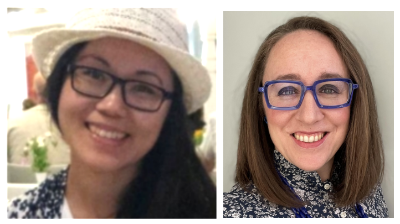
By Siang Ing Lee, researcher, and Ngawai Moss, lay co-investigator
Information needs
When it comes to pregnancy, key questions for women with multiple long-term conditions centre on how their health conditions and treatments might affect them and their baby. For example, women may want to know whether they are at risk of adverse pregnancy or birth outcomes; whether their conditions are likely to worsen with pregnancy; or whether pregnancy may trigger new health conditions. They are particularly concerned about medication safety in pregnancy and breastfeeding, as well as the potential risks for their babies.1, 2
Making informed decisions
Having this information can help women to make informed decisions on whether to have a pregnancy, their birth plans, and how to manage their medications with confidence. This means not only whether to continue or stop treatment, but also whether dose adjustments may be needed at different points during pregnancy (e.g. by trimester), postnatally and in the breastfeeding period.2
Communication
How the information is communicated is important. Healthcare professionals recognise that women may experience not only guilt but also anxiety. Even when outcomes are positive, women still carry the weight of responsibility throughout pregnancy, worrying about potential adverse child outcomes while physically carrying the pregnancy, managing their long-term conditions and the medications they require.
Framing information
It is therefore important to frame discussions in terms of both benefit and risk,3 not just risk, enabling women to make decisions that balance their own health needs with outcomes for their baby. This means providing enough information to help women mentally prepare for possible adverse outcomes,1 without allowing the narrative of adverse risks to dominate their pregnancy.4
Professional knowledge gaps
Some health care professionals felt they lack the required knowledge and experience to provide preconception counselling for women with multiple long-term conditions.1, 5 Women’s preferred source of information is the clinical specialist for their long-term conditions. Where their information needs are not met, women have to turn to online information sources, and social media.1 Where evidence is limited, clear signposting to trusted sources (e.g. national registers, charities, or specialist organisations) can help women who have not already found these groups, access reliable information and peer support.
Conflicting advice arises not only between different types of healthcare professionals but also within the same professional groups, reflecting variation in knowledge, experience, and confidence. A UK national survey found healthcare professionals often took a precautionary approach for prescribing in pregnancy, resulting in variation from national prescribing guidance and conflicting professional opinion. This led to maternal anxiety and women needing to negotiate complex and distressing pathways to obtain the medications they need. For example, a woman with severe hyperemesis gravidarum6 was prescribed an antiemetic by a GP, but this was questioned by another GP; while another reported distress when the pharmacist would not fulfil the antidepressant prescription from her GP.7
In MuM-PreDiCT’s interview study, pregnant women with multiple long-term conditions reported that conflicting medication advice was common and described searching for information themselves. Healthcare professionals acknowledged how this impacts women’s trust and recognised that it makes later decisions about changing medication harder. Where women have been initially advised against a medication during pregnancy, the seed of doubt is planted, and is often difficult to undo.2
Abruptly stopping medication during pregnancy or breastfeeding can have serious consequences for women with some long-term conditions, such as epilepsy and severe mental illness. The MBRRACE national maternal death review highlights that sudden discontinuation of treatment can endanger maternal health and, in turn, compromise outcomes for the baby.8
Lack of evidence and guidance
There is a substantial lack of clinical trial evidence for medication in pregnancy in general; pregnant women are traditionally not included in clinical trials due to ethical concerns.9 With the lack of evidence and guidance for multiple long-term conditions and polypharmacy in pregnancy, it is unsurprising that healthcare professionals feel the lack of knowledge and experience in providing preconception counselling, especially for complex cases.
Fragmented care and communication barriers
Pregnant women with multiple long-term conditions are often under the care of multiple healthcare teams, including their obstetric team and condition-specific specialists. Experience of fragmented care is a common theme, with women having to be the messenger relaying information between the healthcare professionals. Limited access to shared healthcare information (often due to different record systems) across organisations hinders coordinated care and timely information sharing.4, 5
Siloed advice and its impact
Where healthcare teams work in silos, they provide advice focused on their professional area of expertise, without a holistic consideration of how their treatment plan may impact another. In these circumstances, women experienced conflicting and not mutually attuned advice from multiple specialists. Without a clear connection between the advice given, women are having to draw their own conclusions, leaving them feeling worried and insecure.4
Support for healthcare professionals
Ensuring healthcare professionals who look after pregnant women with multiple long-term conditions have easy access to up-to-date guidelines and adequate support from maternity specialists, such as the Maternal Medicine Networks, is crucial.
Preconception support
Early preconception counselling helps women understand their condition, optimise their health, and mitigate potential problems. It also provides reassurance about what may happen, what to look out for, and helps strengthen women’s ability to advocate for their own care.
Consistency and balanced counselling
When counselling women with multiple long-term conditions on medication safety in pregnancy, healthcare professionals emphasised the importance of having a balanced discussion with women. It is critical that women understand the impact of their untreated long-term conditions on the outcome of their baby,5 alongside information on how their medication may affect fetal development. Consistent messages across the care team, and acknowledging uncertainty, helps build trust and helps women make informed choices.
Personalised care planning
To address the fragmented care experienced by pregnant women with multiple long-term conditions, we need a designated coordinating professional who can offer continuity and oversight of care, connect providers, pool expertise, and provide someone that a woman can trust.5 Developing personalised care plans, shared between all providers, ensures that advice is aligned and centred on the woman’s priorities.
Promoting research
Finally, promoting opportunities for women with multiple long-term conditions to take part in research is essential. Without their inclusion, evidence gaps will remain, and uncertainty in clinical practice will continue. International efforts, such as the new International Council for Harmonisation of Technical Requirements for Pharmaceuticals for Human Use (ICH) guidelines currently in development, are an important step towards requiring the inclusion of pregnant women in clinical trials.10 These changes signal progress, but healthcare systems must ensure that women are aware of and supported to access research opportunities. Research also needs to be embedded into routine maternity care so that participation is not seen as unusual or stigmatised. As new studies are developed, women should be routinely offered the chance to take part. This requires healthcare professionals to have the confidence and understanding to explain why inclusion matters, and for healthcare organisations to integrate research into everyday practice in ways that help women feel comfortable and supported to participate.
Author Bios:
Siang Ing Lee is from Malaysia and completed her medical school and academic foundation training in the West Midlands. She then completed her GP training as an ACF with the University of Nottingham. She is interested in health data science research.
Ngawai Moss is a dedicated women’s health advocate whose interest in research was sparked by her participation in several studies during pregnancy. Her passion for safer maternity care stems from her lived experiences as a woman with epilepsy during pregnancy.
1 Hammarberg, K., Stocker, R., Romero, L. et al. Pregnancy planning health information and service needs of women with chronic non-communicable conditions: a systematic review and narrative synthesis. BMC Pregnancy Childbirth 22, 236 (2022). https://doi.org/10.1186/s12884-022-04498-1
2 Lee SI, Hanley S, Vowles Z, et al. Key outcomes for reporting in studies of pregnant women with multiple long-term conditions: a qualitative study. BMC Pregnancy Childbirth. 2023 Aug 1;23(1):551. https://bmcpregnancychildbirth.biomedcentral.com/articles/10.1186/s12884-023-05773-5
3 BRIDGE. Empowering Women Living with Chronic Disease. Available from: https://www.bridgeforwocba.org/
4 Hansen MK, Midtgaard J, Hegaard HK, et al. Monitored but not sufficiently guided - A qualitative descriptive interview study of maternity care experiences and needs in women with chronic medical conditions. Midwifery. 2022 Jan;104:103167. doi: 10.1016/j.midw.2021.103167
5 Hanley SJ, McCann S, Lee SI, et al. Lost in the System: Responsibilisation and Burden for Women With Multiple Long-Term Health Conditions During Pregnancy. Health Expect. 2024 Jun;27(3):e14104. https://pmc.ncbi.nlm.nih.gov/articles/PMC11176589/
6 Editor’s note: Hyperemesis gravidarum is a very severe form of pregnancy vomiting that, untreated, can be fatal.
7 Sanders J, Blaylock R, Dean C, et al. Women’s experiences of over-the-counter and prescription medication during pregnancy in the UK: findings from survey free-text responses and narrative interviews. BMJ Open 2023;13:e067987. doi: 10.1136/bmjopen-2022-067987
8 Knight M, Bunch K, Tuffnell D, et al (Eds.) on behalf of MBRRACE-UK. Saving Lives, Improving Mothers’ Care - Lessons learned to inform maternity care from the UK and Ireland Confidential Enquiries into Maternal Deaths and Morbidity 2016-18. Oxford: National Perinatal Epidemiology Unit, University of Oxford 2020.
9 Bhattacharya S, on behalf of the Birmingham Health Partners. Safe and Effective Medicines for Use in Pregnancy: A Call to Action. Jan 2021. Available from: https://www.birmingham.ac.uk/documents/college-mds/centres/bctu/21560-policy-commission-maternal-health-report.pdf
10 European Medicines Agency. ICH E21 Guideline on inclusion of pregnant and breastfeeding individuals in clinical trials – Scientific guideline. 2025. Available from: https://www.ema.europa.eu/en/ich-e21-guideline-inclusion-pregnant-breastfeeding-individuals-clinical-trials-scientific-guideline
Please feel free to download and share a pdf of this article. If you wish to use AIMS copyright material please see aims.org.uk/general/aims-copyright
If you found this article helpful please consider becoming an AIMS member or making a donation to support our work. We are a small charity that accepts no commercial sponsorship, in order to preserve our reputation for providing impartial, evidence-based information.
AIMS supports all maternity service users to navigate the system as it exists, and campaigns for a system which truly meets the needs of all.