
To read or download this Journal in a magazine format on ISSUU, please click here
AIMS Journal, 2020, Vol 32, No 2
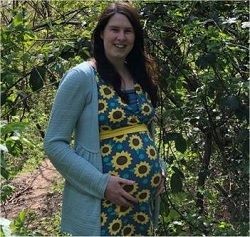
By Louise Day
Never in my wildest dreams did I expect to be pregnant during a worldwide pandemic. My journey started in 2019 when I found out I was expecting another baby. I instantly knew I wanted a home birth. I had planned a home birth with my first child in 2017 and had a non-emergency transfer to hospital. I had a water birth on the labour ward a few hours after arriving in hospital. I was disappointed that I hadn’t stayed at home but at the time felt quite happy that I’d had most of my birth preferences met.
This time I knew the chances of me transferring were much lower. I was confident. I had done this before. I didn’t want to experience the car journey to the hospital again with intense contractions. My belief is that birth is best when a woman feels safe, in a familiar environment and is undisturbed. I began preparing for this birth – buying the birth pool, re-engaging with online home birth groups. My midwife was very supportive of my choice. Things were going well - I could relax, I didn’t need to worry, this was going to all work out!
Then the unexpected happened - coronavirus hit the U.K. The UK began social distancing measures before going into lockdown. I saw some online social media posts about home births being suspended. Still I kept positive – I was only 30 weeks. I had time. All this could be over in 10 weeks. Then, when my phone rang and I saw it was my midwife my heart sank. My midwife was apologetic and devastated to deliver the news. She was uncertain how long the suspension would last. She gave the reasons of a shortage of midwives, a potential lack of oxygen canisters and no guarantee an ambulance transfer could be provided. In my head, even though the midwife had told me my home birth was essentially cancelled I was thinking ‘I can still birth at home’. I didn’t say this to her at the time. She suggested that I considered the birth centre - a local midwife-led unit attached to the hospital.
I’d heard about free birthing but never considered it. I’d always felt happy with midwives attending my birth and had good support from them in the process of planning a home birth. I began reading about it and joined a free birth Facebook group. To me, nothing had changed. I hadn’t developed any complications, baby was well and I was prepared for a home birth so why would I change my mind, especially given the threat of coronavirus when going into hospital. My husband was very positive about the idea of continuing our plan to birth at home. We both felt anxious about further measures put in place at the hospital around birth partners only being present during active labour and having to leave soon after the baby was born and not visit on the ward. At this uncertain time I knew I needed my husband. I had many questions about free birth such as: what to do with the cord and what to do if something went wrong. I have researched these and am reassured negative outcomes are rare. We are 5 minutes’ drive away from the hospital, so I feel reassured by that. I have become more open to things I didn’t think would appeal to me such as a lotus birth (leaving baby attached to the placenta).
At the time of writing, home births are still suspended. I have written to the chief midwife, the First Minister and the Health Minister in Scotland. The replies acknowledged my situation and they have apologised, but sadly didn’t provide much hope or any solutions. I felt angry. This was my right as a woman. Surely it was safer for me to stay at home? I felt I was forced into making the choice to free birth rather than naturally coming to this decision. I began to get anxious and doubt myself. Could I do this? What would people think of me if something went wrong? Was I being selfish and just being stubborn about getting my home birth? My feelings have been up and down but I have decided to not get too attached to one idea of birth. I have made plans but in the moment, or on the day, if I decide to go to hospital I can.
I was anxious about communicating my choice to my midwife and my family and friends. Generally, it’s been well received. My midwife said I wasn’t alone in this choice and she respected it. I’ve found great support from a Zoom group set up by local doulas who have discussed free birth and women’s rights in labour. It’s good to know there are other people out there fighting your corner – writing to decision makers to try to improve the situation for women. I have missed out on face to face contact, hugs and seeing my friends and family in person but have made the most of technology.
I am keen for stress and anxiety not to take over and affect my pregnancy. I have been trying to regularly practice mindfulness, meditation and yoga. At the end of this I will have birthed a baby in a pandemic. This will go down in history.
Please feel free to download and share a pdf of this article. If you wish to use AIMS copyright material please see aims.org.uk/general/aims-copyright
If you found this article helpful please consider becoming an AIMS member or making a donation to support our work. We are a small charity that accepts no commercial sponsorship, in order to preserve our reputation for providing impartial, evidence-based information.
AIMS supports all maternity service users to navigate the system as it exists, and campaigns for a system which truly meets the needs of all.